What Is the Lifespan of Porcelain Dental Crowns?
Porcelain dental crowns have a reputation for looking natural and restoring teeth that would otherwise be difficult to save. The question most people ask, usually right after hearing they need one, is simple: how long will it last?
The honest answer is that porcelain crowns often last between 10 and 15 years, and many remain serviceable for longer. In practice, I have seen some fail much earlier because of grinding, decay at the margin, or a poorly fitting bite. I have also seen well-made crowns stay in place for 20 years or more with surprisingly little trouble. The lifespan is not determined by the material alone. It is shaped by the condition of the tooth underneath, the skill of the dentist and lab, the patient’s bite, and the daily habits that either protect or wear down the restoration.
That range can feel frustratingly broad, but teeth live in a demanding environment. Every day they absorb repeated force, temperature changes, acidic foods, plaque, and sometimes unconscious habits like clenching during sleep. A porcelain crown may be strong, but it is still part of a biological system, not a bolt screwed into steel.
What a porcelain crown is really doing
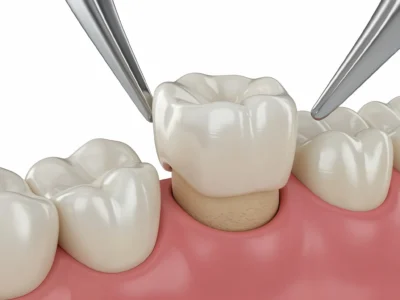
A crown is not just a cap placed over a damaged tooth for cosmetic reasons. It is a custom restoration designed to rebuild shape, strength, and function when a tooth has lost too much structure for a simple filling. That loss may come from decay, a crack, a root canal, a large old filling, or long-term wear.
Porcelain is used because it can mimic the translucency and color variation of natural enamel better than many older materials. For front teeth, that matters a great deal. For back teeth, appearance matters too, but strength and bite dynamics become just as important. Modern porcelain crowns may be made entirely of ceramic materials or bonded over a stronger substructure, depending on the case. Patients often use the term "porcelain crown" broadly, even when the exact material is lithium disilicate, zirconia-based ceramic, or porcelain fused to another framework.
That distinction matters because not all "porcelain" restorations wear, chip, and survive the same way. Some are more esthetic, some are tougher, and some strike a middle ground. A person asking about lifespan is often really asking about durability, but longevity is more complicated than whether the crown itself can resist fracture.
The average lifespan, and why averages can mislead
If you look across clinical experience and published dental data, a useful working estimate for porcelain dental crowns is about 10 to 15 years. That is the figure many dentists quote because it reflects a realistic middle ground. It is long enough to justify treatment in many cases, but not so long that it implies permanence.
Still, averages hide important differences. A crown placed on a healthy tooth with good gum support and a stable bite may perform beautifully for decades. Another crown, placed on a heavily damaged molar in a person who clenches at night, might develop problems in a few years even if the porcelain itself remains intact.
What usually ends the life of a crown is not always a dramatic break. More often, the crown becomes compromised because of what happens around it. The cement seal can fail. Decay can start at the edge where crown and tooth meet. The tooth under the crown can crack. Gum recession can expose margins that were once protected. Sometimes the crown is still physically present but no longer healthy to keep.
That is why asking, "How long does a porcelain crown last?" Is a bit like asking how long a roof lasts. The material matters, but so do installation, climate, maintenance, and what the structure beneath it is doing.
What tends to shorten the life of porcelain crowns
A porcelain crown is durable, but certain patterns reliably reduce its lifespan. These are the factors dentists see most often when a crown fails earlier than expected:
- Dental Crowns
- Heavy grinding or clenching, especially during sleep.
- Decay forming at the crown margin because plaque collects and cleaning is inconsistent.
- A bite that places excess pressure on one area of the crown.
- Very little healthy tooth structure remaining underneath the crown.
- Trauma, including biting hard objects or facial injury.
Bruxism is one of the biggest culprits. Many patients do not realize they grind until they chip a crown, flatten their natural teeth, or wake with jaw tension. Porcelain can handle normal chewing very well, but repeated side-to-side stress is harder on both the crown and the tooth underneath. I have seen cases where a perfectly good crown cracked not because the material was defective, but because the patient was generating far more pressure at night than the restoration was ever meant to endure.
Decay at the margin is another common reason for replacement. Crowns do not decay, but teeth do. The vulnerable point is the seam where crown meets tooth. If plaque sits there day after day, bacteria can work their way underneath. By the time symptoms appear, there may be enough hidden decay that the crown has to come off.
Why some porcelain crowns outlast expectations
When crowns last 15 to 20 years or more, the pattern is usually not mysterious. The crown fits well, the bite is balanced, the patient cleans carefully, and the tooth had enough sound structure to support the restoration from the start.
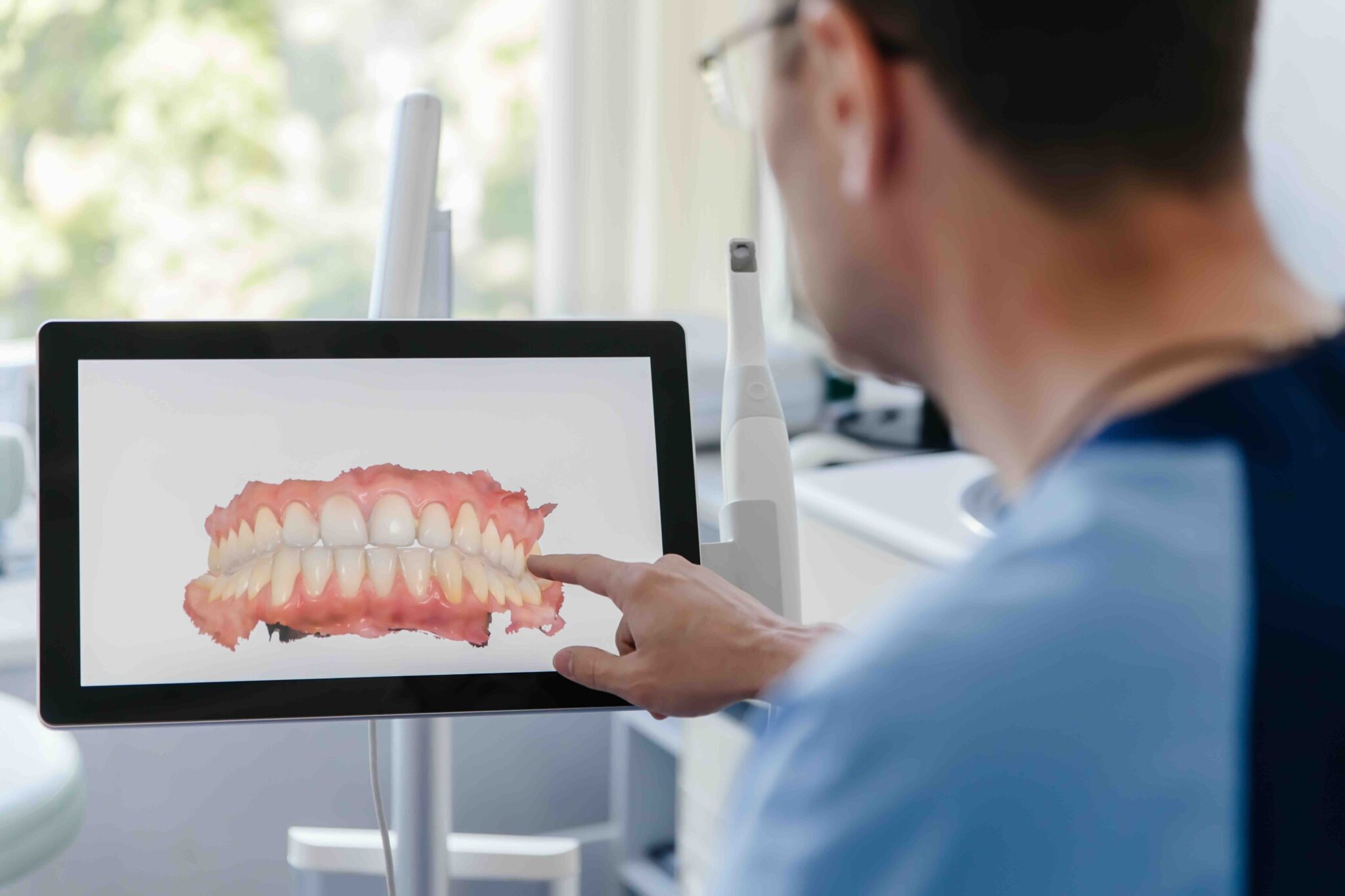
Margin quality matters enormously. A crown can look beautiful above the gumline and still fail early if the edge is rough, open, or difficult to clean. A well-made crown sits with precision, allowing floss to pass naturally and reducing places where plaque can stagnate. That level of fit depends on careful tooth preparation, good impressions or scans, and strong communication with the dental lab.
The bite is equally important. Even a strong crown can become a problem if it receives the first or heaviest contact every time the patient chews. Patients sometimes describe this as the crown "feeling high." When that sensation is not corrected, small pressure imbalances can become larger structural issues. Tiny adjustments made early can add years to the life of a restoration.
There is also a basic reality that dentists learn quickly: crowns behave better in mouths that are otherwise healthy. Stable gums, low decay risk, and regular professional monitoring give dental crowns a much better chance of long-term success.
Front teeth and back teeth do not live the same life
Patients are often surprised to learn that the location of the crown changes the durability conversation. A porcelain crown on a front tooth and one on a molar face very different demands.
Front teeth typically experience less raw chewing force than molars, but they are more exposed to impact and certain habits. Biting fingernails, tearing open packaging, or using teeth as tools can damage a front crown quickly. Esthetics are especially important here, so material choice may lean more heavily toward lifelike translucency.
Molars, on the other hand, absorb heavy vertical force every day. If a back tooth crown survives for many years, that usually reflects a strong combination of material selection, design, and bite management. The crown may need to be slightly thicker or made from a ceramic known for higher strength. A patient who clenches may do Dental Crowns well with a night guard, not because the crown is weak, but because the chewing system is producing extraordinary load.
Premolars sit somewhere in the middle. They show when a person smiles, yet they also carry meaningful chewing pressure. These are often the teeth where dentists weigh esthetics and toughness most carefully.
The role of the tooth underneath
One detail patients do not always hear enough about is that the crown is only part of the story. The health and structure of the underlying tooth often determine how long the restoration remains viable.
A tooth that has had root canal treatment, for example, may need a crown because it has become more brittle or structurally compromised. If enough healthy tooth remains above the gumline, that crown may perform well for years. If the remaining tooth is very short, heavily broken down, or cracked deep below the surface, the prognosis changes. In those cases, the crown may be doing excellent work under difficult circumstances, but the foundation is less forgiving.
This is one reason two patients can receive what seems like the same treatment and have different outcomes. One crown is restoring a strong tooth after a large filling. Another is trying to preserve a tooth that was already close to failing. The restoration may look the same from the outside, but the long-term risk is not identical.
Gum health matters too. Receding gums can expose crown margins, making them more visible and sometimes more vulnerable. Periodontal disease can reduce support around the tooth, which affects the whole structure. A crown cannot compensate for ongoing gum breakdown.
Signs a porcelain crown may be nearing the end of its life
Crowns do not always fail suddenly. More often, they give quiet warnings first. A patient may notice sensitivity around the tooth, floss catching at the edge, a rough or chipped spot, or a change in the way the teeth meet when biting down. Sometimes the crown still looks fine in the mirror while an X-ray shows decay creeping underneath.
Dentists also look for hairline fractures, worn porcelain, looseness, dark lines at the margin, and inflammation in the surrounding gum tissue. A crown that feels stable to the patient may still need attention if the cement seal has broken down. That is one reason routine examinations matter. Problems caught early can sometimes be managed with a repair, adjustment, or replacement before the underlying tooth suffers major damage.
There is a practical point worth noting here. A crown does not need to be visibly broken to justify replacement. If recurrent decay has formed under the edge or if the fit is no longer acceptable, keeping it longer may create a larger and more expensive problem later.
How dentists decide whether a crown can stay or needs replacement
Replacement is not automatic once a crown reaches a certain age. Dentists do not remove crowns simply because they are 10 years old. They evaluate function, fit, esthetics, and the health of the tooth beneath.
A crown may stay in place if the margins are intact, the surrounding gums are healthy, the bite is stable, and imaging does not show hidden decay or structural concerns. Even an older crown can be perfectly serviceable if those conditions are met.
On the other hand, a newer crown may need replacement if it was poorly fitted, repeatedly chips, traps food, or sits on a tooth that is now compromised. Age matters, but condition matters more. I have seen patients arrive worried because a crown is "old," only to find that it is holding up very well. I have also seen recently placed crowns that were causing trouble because the bite was off from the beginning.
That distinction can save patients from unnecessary treatment. Dentistry works best when decisions are based on evidence in the mouth, not a calendar.
How to help porcelain dental crowns last longer
Most crown failures are not entirely preventable, but many are influenced by daily care and habit patterns. Patients who get the best service from their crowns tend to be consistent rather than perfect. They brush well, clean at the gumline, come in for review, and avoid treating teeth like tools.
A few habits are especially valuable:
- Brush twice a day with a fluoride toothpaste, paying close attention to the crown margin.
- Clean between teeth daily with floss or another interdental aid that your dentist recommends.
- Wear a night guard if you grind or clench.
- Avoid chewing ice, pens, and other hard non-food items.
- Keep recall visits and X-rays on schedule so hidden problems are caught early.
Flossing deserves special emphasis. Patients sometimes think that once a tooth has a crown, it no longer needs the same careful cleaning because the visible surface is artificial. In reality, the edge where crown meets tooth can be the most important place to clean. That is where plaque settles and where recurrent decay often starts.
Night guards can make a dramatic difference for the right patient. They do not make a crown indestructible, but they can reduce the repeated overload that causes fractures, loosening, and wear. In people who clench intensely, a guard can extend the life not just of one crown but of the entire dentition.
Material choice and what it means for longevity
People often refer to all tooth-colored crowns as porcelain, but current restorative dentistry includes several ceramic options. Their differences can influence both appearance and lifespan.
Some ceramics offer superior esthetics, particularly in front teeth where light transmission matters. Others prioritize strength and are often chosen for molars or for patients with heavy bite forces. Porcelain fused to metal crowns have been used for many years and can be durable, though they may eventually show a darker line near the gum in some cases. All-ceramic and zirconia-based options have become increasingly common because they can combine pleasing esthetics with good mechanical performance when selected appropriately.
There is no universal best choice. A patient with a broad smile line and a crown on an upper front tooth may need a different material than someone restoring a lower molar that takes enormous chewing pressure. The ideal crown is not the prettiest one in isolation or the strongest one on paper. It is the one that suits the tooth’s role, the patient’s bite, and the clinical situation.
This is why a short online answer can only go so far. When patients compare crown lifespans, they are often comparing different materials, different tooth positions, and different risk factors without realizing it.
Cost, replacement cycles, and planning ahead
Because crowns can last many years but not forever, it helps to think of them as long-term restorations with maintenance needs rather than one-time permanent fixes. A patient in their thirties may need replacement at some point later in life. A patient receiving a crown in their sixties may get decades of service from it. Planning depends on age, oral health, and how demanding the situation is.
Replacement can become more complex each time if additional tooth structure is lost. That is one reason preserving the margin and catching decay early matters so much. The first crown is often placed when there is still enough healthy tooth to work with comfortably. After years of wear, leakage, or recurrent decay, the second or third restoration may have less support. At some point, options can shift toward buildup procedures, posts, gum treatment, or even extraction and implant planning if the tooth becomes unrestorable.
This is not meant to sound alarmist. Many crowns are replaced uneventfully. Still, the long view matters. A crown is an excellent treatment, but it starts a restorative timeline that should be managed thoughtfully.
When a porcelain crown lasts less time than expected
It is worth acknowledging the frustration patients feel when a crown does not reach the lifespan they were hoping for. Sometimes that is due to unavoidable biology or heavy function. Sometimes it comes down to factors that were not obvious at the start. A tiny crack in the tooth may deepen. A person may begin grinding during a stressful period. Gum recession may expose a vulnerable edge years later.
There are also cases where the original design or placement may have been less than ideal. Crowns are technique-sensitive restorations. Impression accuracy, moisture control, occlusion, material handling, and lab fabrication all affect outcome. Good dentistry can never eliminate every risk, but it can reduce many of them.
Patients benefit from asking practical questions before treatment. Why is a crown being recommended instead of a filling or onlay? How much healthy tooth remains? What material is being considered and why? Is there evidence of grinding? Those questions do not guarantee a specific lifespan, but they usually lead to better expectations and better planning.
A realistic way to think about lifespan
The most useful expectation is this: a porcelain crown should last many years, often a decade or more, but it should be monitored like any other important restoration. If it reaches 15 years in good condition, that is strong service. If it lasts beyond 20, that is not unusual in a healthy mouth with favorable forces and good maintenance. If it fails earlier, the reason is usually something identifiable rather than bad luck alone.
Patients sometimes hope for a simple promise, a fixed number with no variables attached. Teeth rarely work that way. A crown is both a material object and a biological compromise. It succeeds longest when the engineering is sound and the mouth around it stays healthy.
For anyone considering Dental Crowns, that perspective is more useful than any exact figure. The lifespan is not just about what the crown is made of. It is about how well it was planned, how precisely it fits, what kind of forces it faces, and how carefully the tooth and gum around it are looked after over time.
Simple Dental Vermont
Address: 8914 S Vermont Ave, Los Angeles, CA 90044
Phone number: +13239493000
FAQ About Dental Crowns
How much do crowns cost per tooth?
In the United States, a single dental crown typically costs between $800 and $2,500 per tooth without insurance. The ultimate out-of-pocket price depends heavily on the crown material, the location of the tooth, and whether you have dental insurance coverage.
What is the downside of crowns on teeth?
The primary downside of a dental crown is that the procedure permanently removes natural tooth enamel to shape the tooth for the cap.
Why do dentists push for crowns?
Dentists recommend crowns because a large filling cannot provide enough strength when a tooth loses a major portion of its structure or faces heavy chewing pressure.